How to Maintain the House of Worship: The Annual Checklist
Now he that planteth and he that watereth are one: and every man shall receive his own reward according to his own labor.
1 Corinthians 3:8
Through wisdom is an house builded; and by understanding it is established:
And by knowledge shall the chambers be filled with all precious and pleasant riches.
Proverbs 24:3-4
Maintaining your Church is not just about unclogging the gutters, sealing the cracks, inspecting your wiring and electricity. (Although there’s that too.) All this work is about something more than that: it’s about care, wisdom, stewardship, devotion.
Every leaf removed, every dirty tile washed or a cracked one replaced, is our spiritual duty. By caring for the physical space where we worship, we honor God and show our dedication to the community, His and ours. Think of it as being a good host in God’s house.
To help us fulfill this duty, we’ve created an annual checklist for maintaining the house of worship. This guide will ensure our church stands strong as a testament to our faith and remains a welcoming haven for all.
1. Deep Cleaning & Washing
With this, we don’t mean just regular dusting, vacuuming and sanitizing surfaces within the church. Once a year, it will require extensive cleaning that will reach every nook and cranny, inside and out.
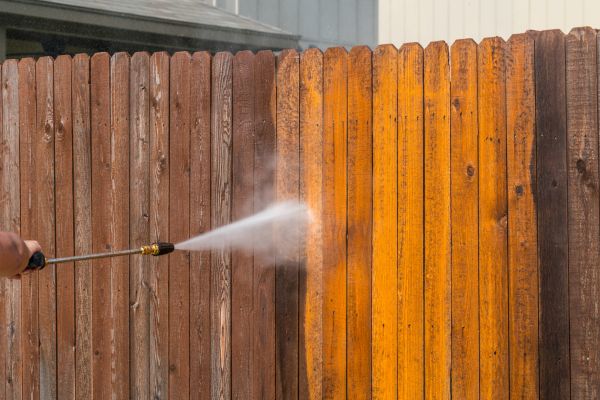
Like most thorough cleaning sprees, this one is best done in spring, when the elements abate. Clean windows will let in more light, but that isn’t all. The entryways, exterior walls and sidewalks are more difficult to clean. All the dirt, grime and caked layers of mildew will need some brute force to blast them away. If you want to do it cheaply, you can always rent out a pressure washer from your nearest hardware store, and connect it to a regular garden hose.
Russ Gordon, founder of Sydney Pressure Cleaning Experts, however, says professional pressure cleaning works best. “Pressure cleaning specialists have specialised high-pressure and softwash equipment that can be dialed in to get the best cleaning results in minimal time. We also have the skills and experience to avoid damaging exterior surfaces, which can often be a big concern with aging Church structures.” Russ goes on to say that in his experience of Church pressure cleaning in Sydney, he’s constantly told by his clients that they can’t believe the difference it makes!
2. Check All Windows & Doors
Again, this is more than just wiping those surfaces clean.
In fact, this is an ideal opportunity to check the church’s window and door frames for tiny cracks that might not be immediately visible. They are the major culprits for the building’s poor thermal performance in both summer and winter.
Luckily, sealing them isn’t difficult or expensive. Get a window sealing kit online or in a hardware store, roll up your sleeves, and get to work! It will make a huge difference in electricity bills for heating and cooling too.
To apply the sealant and film:
- Clean the Surface: Make sure the window frames are clean and dry. Best to leave them to dry naturally overnight!
- Apply Weatherstripping: Attach the weatherstripping around the edges of the window to prevent drafts.
- Install Plastic Film: Cut the plastic film to size, adhere it to the window frame using double-sided tape, and shrink it with a hairdryer for a tight seal.
3. Basic Landscaping & Tree Care
Time for my favorite part—landscaping! Not only is it useful and important, but getting your hands dirty (quite literally) is soothing to the soul.
First, you’ll want to take care of the existing trees and shrubs. Start by trimming the overgrown branches that get in the way and can even cause hazards if they damage the wiring.
If there are big and old trees, you might want to call in a professional arborist so they can assess if there are any sick trees that need to be uprooted. This is especially important if the area is prone to disasters.
Once you’re done with the regular maintenance, it’s time for planting! When considering new plantings, think strategically about how trees and shrubs can provide natural shading. Trees such as maple, oak, and birch are excellent choices for creating shade in the summer, reducing the need for cooling inside the church. Shrubs like holly, boxwood, and hydrangeas can be planted around the building to make your exterior more beautiful and contribute to cooling.
It’s also a good idea to plant climbers such as ivy. These will take a few years to grow fully. But once they’re done, they’ll be masters at regulating the inside temperature!
4. Check the Roof
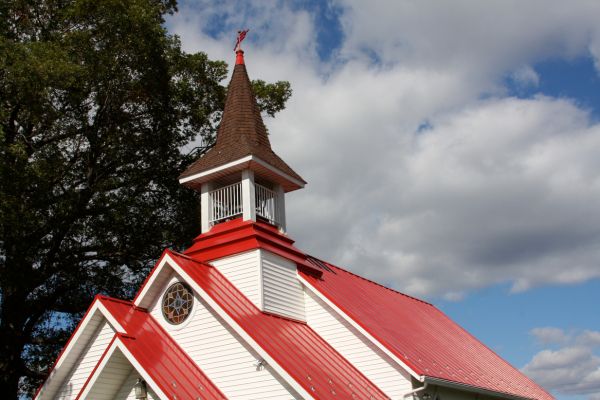
Some shingles may be damaged. Others could be missing, even if there aren’t any visible leaks!
But that’s not all you can do on your own. If you notice moss or algae on the roof or inside the attic, it can be a sign of damage that isn’t immediately obvious. Damage on the roof is sneaky and will often lay unnoticed until it’s too late for DIY. If there are piles of leaves or other debris, make sure to remove them as they can retain moisture and cause damage in the long run.
If there are any animal nests or droppings, it means the building has some unwanted inhabitants. In that case, you’ll want to get rid of them humanely before they damage the roof.
Next are the gutters, which need to be cleaned and unclogged. Ahead of the next rainy season, a set of gutter guards will help a ton!
Note that roof inspection will require you to either use a ladder (and be very careful not to fall!) or use modern technology such as a drone, if it’s allowed in your area.
5. Safety Equipment
Most people hardly ever think to check their fire extinguishers. It’s just one of those things that’s all too easy to set—and forget.
Hopefully, you’ll never really need them. But if you do, they’d better be working! That’s why you need to make sure at least once a year that they are charged, not expired, and easily accessible to anyone who might need them.
Another safety measure is to check any alarms the church might have: smoke, fire or leak detectors. Normally, they’ll be just fine. But their batteries do need to be checked every once in a while.
6. Essentials That Only a Pro Electrician Can Do
Some systems, such as HVAC and wiring, will require an electrician if you want to play it safe.
Luckily, most HVAC business will have 2-in-1 professionals, who are both electricians and HVAC technicians and can do both things at once. They’ll service the church’s heating and cooling and check all of the wires and outlets to make sure they are all working.
Both of these things are an absolute must at least once a year, ideally twice.
Things you can do on your own include replacing or cleaning your HVAC filters, as well as checking the electronics (such as sound system or mics) to update their software and firmware.