Youth Programs in Churches | 3 Ideas on How to Engage the Next Generation
Rejoice, O young man, in your youth,
And let your heart cheer you in the days of your youth;
Walk in the ways of your heart,
And in the sight of your eyes (...)
Ecclesiastes 11:9-10
These lines from Ecclesiastes don’t stop there. While acknowledging that young people should savor their youth, the Preacher goes on to say that they shouldn’t forget that it is not exempt from God’s judgement. Like everything else, the Preacher concludes, youth is vanity.
Luckily, young people are not difficult to persuade to fill their lives with purpose. All they need is a gentle nudge—and for us to lead them by example.
This is where our Church can step in and offer youth programs to help them serve their community, better their own selves, and have fun while at it! This article will lay out several meaningful ideas on how to engage the young.
Note that we won’t be dealing with quick ice breakers such as games or quizzes as those are easy enough to come up with on your own. Instead, we’ll emphasize programs will teach many important and transferable skills to the young.
1. Green Initiatives
Human-induced climate change isn’t only our collective sin toward God’s creation, but also a serious threat whose greatest burden will have to be carried and coped with by future generations.
But your green youth program doesn’t—and shouldn’t—have to be about the doom and gloom of climate crisis. On the contrary: it’s our duty to be optimistic and believe in the power of the agency that God has bestowed upon us.
This is why green programs are so powerful; they can be as big or small as you can manage, and they are easily scalable.
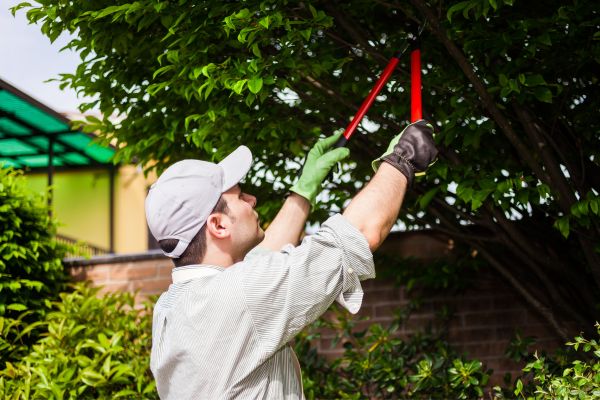
Your young believers can do simple things such as planting a tree every week, or engage in beekeeping. Or you can, for example, organize a course on how to trim, prune, or remove old and sick trees that aren’t very likely to live much longer.
It doesn’t always have to be a very difficult thing to do either. “Tree pruning is both an art and a science. You need to learn to identify which branches to remove, how much to cut, and the best times to prune different species. This warrants a deep understanding of tree growth patterns and how trees respond to cuts. Using the correct tools and techniques is crucial to make clean cuts that will heal properly,” tells us John Dewey, a trained arborist with almost two decades of experience.
He adds, though, that it’s best to know your limits and only work with shrubs or small trees that don’t require any specialized equipment or safety measures.
Another thing you can teach the young is native, pollinator-friendly gardening. Once you have a core of knowledgeable enthusiasts who know how to do it, they’ll keep spreading the knowledge further. In just six months or even less, the entire community will start feeling a difference!
2. Cleanup Events
This one is great if you can’t plan for bigger gatherings at the church that would happen on a regular basis during the week.
And the reason it’s great is that it can happen anywhere! The important thing, however, is to plan for it in regular intervals—for example, every (or every other) Saturday. It’s also very convenient because it doesn’t require full commitment and allows for much flexibility with your participants.
Yes, you won’t have a huge number of regulars. But the total number of participants will be huge!
All you need to do is spread idea by word of mouth after service. Several dozen posters would also help! You’d be surprised just how much space a group of 20 people can clean in just a couple hours.
Just make sure to have a sound plan ahead of each cleanup so as not to waste anyone’s time. Which park or playground needs some cleaning or sprucing up today?
In spring, this crowd can also help you in annual cleaning and maintenance of the church itself.
3. Food Sharing

Sadly, we all know the feeling: a pot of perfectly good leftover food that goes bad just because nobody happens to eat it. What’s worse, there’s bound to be a human in your vicinity to whom this pot of food would mean the difference between having something and nothing to eat for the day!
Or a sack of potatoes in your pantry that gets rotten because you’ve been just that much too busy to cook it.
Yes, there are food sharing apps, but not all people use apps. Many if not most homeless, poor, or elderly people do not own smartphones or access to internet. As it happens, it’s just the population that would benefit the most from food that the rest of us have but don’t need.
This is where the Church can step in as a bridge between those who are lacking and those who have an extra. For starters, you can publicize this initiative through social media and local communities online. The only requirement is having at least a couple refrigerators to store the perishables, and several young volunteers who will collect the food and drive it to those who can’t come to the church.
Bear one thing in mind, though. While it may seem wise to start a register of people in need, it’s often counterproductive as many people will be too proud to apply.
This is why it’s best to just offer this food to anyone who wants it.
Before long, the whole community will learn of this program and start donating non-perishables. Down the line, you can even partner up with groceries, bakeries and restaurants to collect their surplus food!